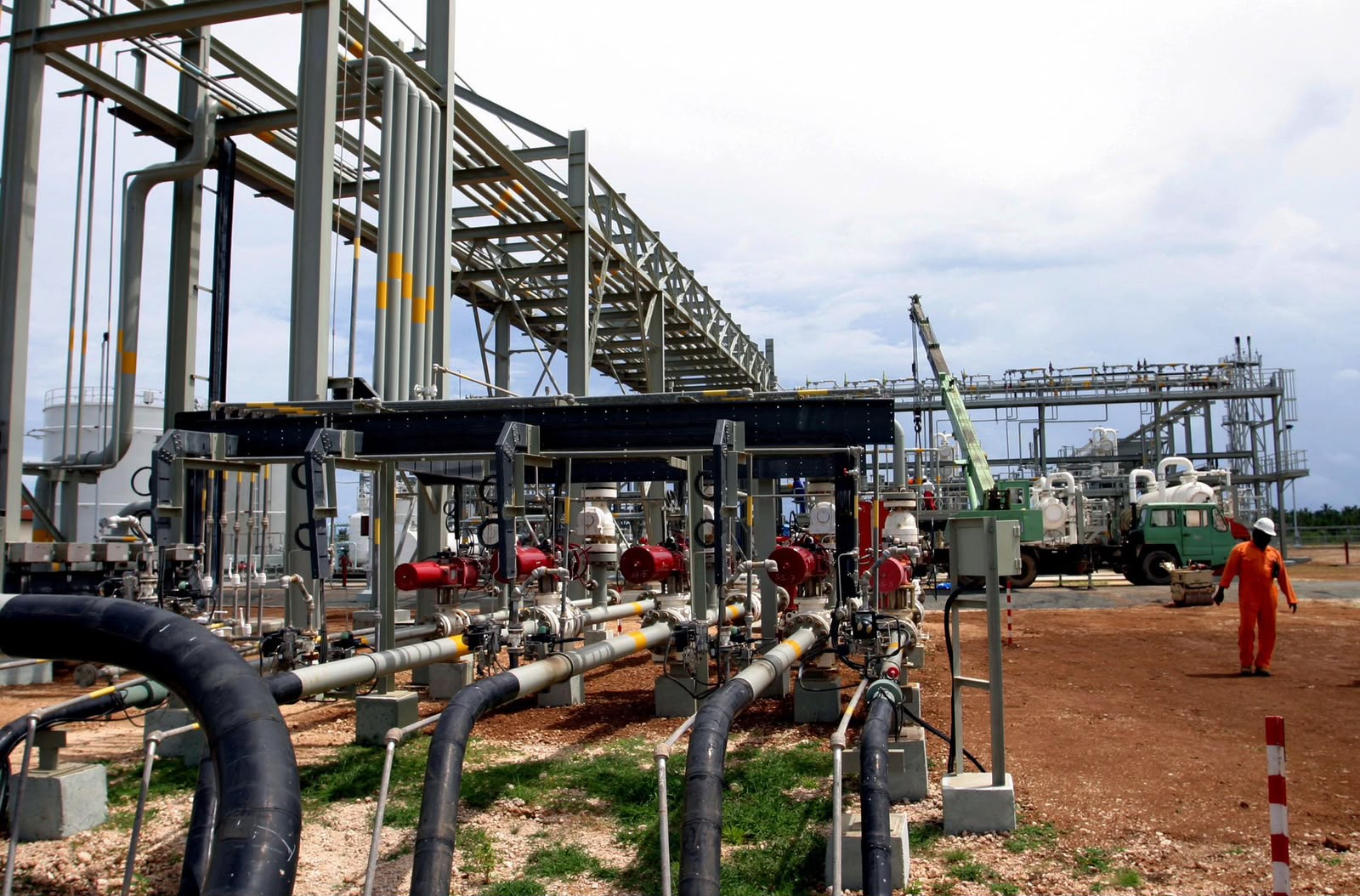
The CS3D conversation has largely centered on agricultural and manufacturing supply chains. Cocoa from West Africa. Garments from East Africa. Cobalt from the DRC. These are important and well-documented areas of exposure and the attention they are receiving is warranted.
The extractives sector more broadly, mining, oil and gas, is receiving considerably less. That gap is worth examining, because it is where some of CS3D’s most demanding compliance obligations sit.
Mining, oil and gas operations in Africa are embedded in a set of conditions that make due diligence exceptionally complex. Community land rights are frequently contested, informally held or inadequately documented before extraction begins. Environmental impact at the point of extraction extends beyond the operational footprint of the company itself, affecting water sources, agricultural land and livelihoods across areas that standard environmental assessments do not always capture. Ownership structures in African extractive operations routinely run through layers of local holding companies, offshore entities and government-linked interests that were not designed to be transparent and that standard due diligence frameworks were not built to trace.
CS3D requires companies to identify and address adverse human rights and environmental impacts across their entire value chain. In the extractives sector, that obligation runs from the processing facility back to the extraction site itself and through every ownership and contractual relationship connected to it. It covers the conditions under which extraction takes place, the rights of communities affected by it, and the governance of the entities involved in it.
Meeting that standard requires a quality of intelligence that conventional compliance approaches cannot produce. Conventional approaches assess what a company discloses in its filings, its contracts and its environmental impact assessments. Extractives compliance under CS3D requires understanding what is actually happening on the ground. Who controls access to the extraction site. Whether affected communities were genuinely consulted before operations began or simply notified after the decision was made. Whether the revenue generated by the operation benefits, directly or indirectly, interests that create governance or human rights exposure for the company at the top of the chain.
In conflict-adjacent mining regions, including parts of Eastern DRC, the Sahel and certain corridors in Central Africa, those questions carry additional complexity. Armed group involvement in extraction networks, illegal taxation of mining operations and the use of forced or coerced labor are documented features of the operating environment in several of these regions. CS3D does not make exceptions for environments where the due diligence is harder to conduct. It makes the obligation proportionate to the risk.
In African extractives, the risk is considerable. The compliance conversation has not yet caught up with it.
Posted by PML Africa on 21 October 2026