Most due diligence frameworks were designed with a certain operating environment in mind. Searchable registries. Accessible court records. A regulatory infrastructure that, even if imperfect, produces something to work with.
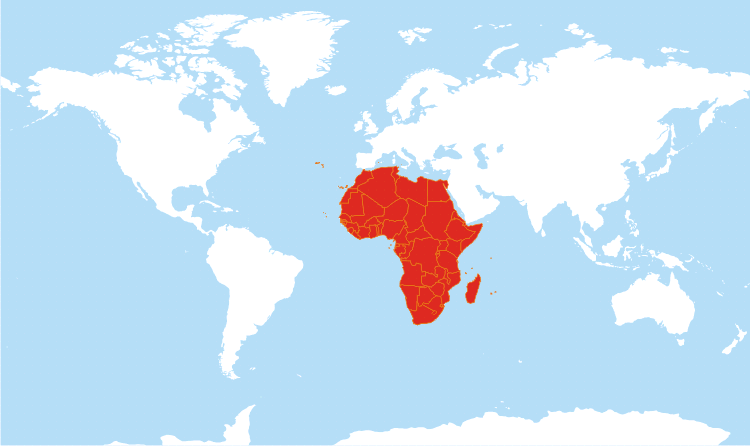
Many African countries and parts of the Sahel in particular, do not always offer that environment. In these markets, a standard due diligence toolkit does not return less information. It returns the wrong information, or none at all and the absence of a red flag is too often read as confirmation that no red flag exists.
Adequate due diligence in these environments requires something different. Local presence, rather than remote analysis. Relationships built over time with people who understand a specific market well enough to know what its silences mean. The ability to recognize what is conspicuously missing from a public record and the experience to know where else that information might be found.
A due diligence program calibrated for one country will rarely find what it needs in another. The registries are different. The enforcement cultures are different. The way ownership and influence are structured locally is different. The methodology has to match the market it is being applied to, not the market it was originally designed for.
Posted by PML Africa on 17 June 2026
Comments for this post are closed.